
How a town of 70,000 supports a 21-person media company
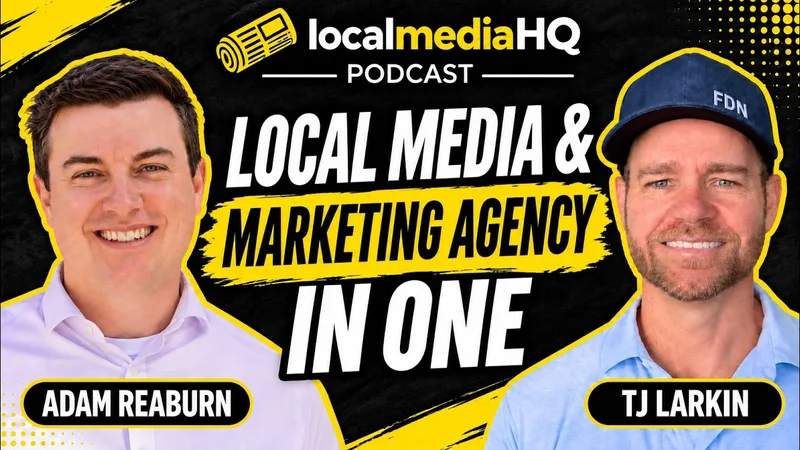
Adam Reaburn of Moose Media in Fort St. John, B.C. explains how radio, a newsroom, events and a digital agency pay for 21 full-time jobs in a very small market.
 TJ LarkinHost, Local Media HQ PodcastNovember 16, 2026 · 8 min read
- 21 full-time people in a town of 70,000. Moose Media employs five in the newsroom, four on the radio side, and the rest in digital, sales and administration.
- Radio still pays half the bills. About 50% of revenue is radio ads and about 40% is digital services, the part that has grown fastest.
- Free events can carry a 50% margin goal. Adam builds the cost spreadsheet first, then sells sponsors to cover it.
- Outbound beats inbound. The team gets two or three inbound leads a week. Everything else is salespeople meeting business owners in person.
Fort St. John is a northern, remote and rural community in British Columbia with about 70,000 people in its direct area. Adam Reaburn runs a media company there that started as one radio station in 2003 and now supports 21 full-time employees. In this conversation he walks through where the money comes from, how he prices events, why his team skips email and knocks on doors, and how he uses AI without handing his journalism to it.
From one radio station to a marketing company
The radio station, Moose FM, launched in 2003 with about eight full-time staff. Energeticcity.ca came in 2008, and the team started putting its news online and selling ads on the site. Today Moose Media is the umbrella over the radio station, the website, a digital marketing agency and the event business.
Staff and revenue both doubled over that time. Adam says the growth has been strongest in the last five years, since just after COVID, when the team pushed to try new things. He also points out that some grant money is available in Canada for that kind of experimenting.
Where the revenue comes from
Adam says about 50% of revenue is still traditional advertising on the radio. Another 40% or so is digital services: running Google search ads, display ads on other websites, and managing social media pages. He thinks the team is at about 18 clients for social media, where they create the content, post it and answer comments. The rest is grants and money from readers.
Try everything, but make it pay for itself
Adam says the team tries everything it can think of. There is a daily newsletter going to just under 5,000 subscribers, a weekly events email with about 1,500, a small politics newsletter, podcasts, and video for TikTok and Instagram. The social video is mostly a brand play and not monetized.
The rule is that everything starts with a way to pay for it. For podcasts, that means selling sponsorships to local businesses. One example is Before the Peace, a podcast about local Indigenous stories. The team writes up what the show is about, what a sponsor gets, and a monthly price, then sells it on its own.
Some clients put together a 12 month campaign with social media, digital marketing, radio ads, sponsorships and events. Others buy one thing once. Budgets range from a couple hundred dollars a month to four or five thousand. Adam says the sales side is fully relationship and repeat business, so each client has to see a result or they won't come back.
Why a media company should run events
Around 2013, people kept asking Moose Media to promote their community events, and the team almost always said yes, especially to nonprofits. Then they asked why they couldn't run their own. Their events are community events, not issue panels: four free movies in the park every summer, a downtown block party that closes three blocks each September and has run about 15 years, and a job fair.
The movies are free for the public and paid for by sponsors. One sponsor hands out popcorn and donates money to the nonprofit that cooks it. Events also let the team sell to businesses that don't want a radio spot but do want to be seen giving back. And the city uses the events as a selling point for moving to town.
Start with the cost, aim for a 50% margin
Adam begins every event with a spreadsheet of what it will cost, then looks for the revenue to cover it. The goal is a 50% margin, because the team also pays a staff member to plan events. Some events don't get there, and a few stay because they build the brand.
The first Halloween haunted walk, run with a local theater company, was a test. They budgeted the worst case, traded for power and insurance, and found a sponsor. It was by donation, and the two nonprofits involved kept everything they collected. A couple of thousand people came, the company made money, and the nonprofits kept more than $5,000 between them.
See the client, see the client, see the client. That's the advice.
A job fair instead of a job board
Moose Media used to run an online job board, but Adam dropped it because he didn't have the traffic to convince advertisers to pay. An in-person job fair works better. Employers pay a small fee for a 10 by 10 booth in a hotel, and the team does all the marketing. Their only job is to show up and talk to people.
They run two to three a year and have had as many as 30 businesses at one. Adam has two title sponsors, WorkBC being one, and WorkBC helps staff the door. His point for listeners without a radio station: go find a partner. A local outlet can come on as a title sponsor in exchange for logos and promotion, and sometimes the trade costs little or no cash.
In person, not by email
TJ asked how much outbound the team does. Adam's answer: don't email, because it is the easiest place to be rejected. The team gets two or three inbound leads a week. Everything else is outbound, and each rep is asked to contact at least 10 businesses a day.
For someone starting out, he suggests showing up wherever business owners are: chamber events, social clubs and community events. Relationships got Moose Media its car dealers, who now buy a 12 month annual campaign. A new operator could also contract an experienced media salesperson who already has relationships, though Adam says tracking the work can be a challenge.
- 01Show up
Go to chamber events, conferences and community events where owners already are.
- 02Meet in person
Cold call by phone only to book the appointment, then go see them.
- 03Keep going
He says it can take five or six visits before someone gives you five minutes.
- 04Sell once there is trust
Roll out a campaign after the relationship exists, and follow up by email or phone.
AI in the back office
Adam says all content is still made by people: the videos, the graphics, the articles and the radio. AI goes on the operations side. Over the last year he has been building in-house tools to replace a stack of paid subscriptions, including the team's own CRM.
One tool covers news that happens when nobody is working. It posts a banner on the website when school buses are canceled or an emergency room closes, then pushes it to the mobile app for people who opt in, and is being tied into the email list. The reporters still follow up with the full story later.
Search traffic is shrinking
Adam is optimistic, but he is watching one number. In Google Search Console, Gemini showed the site 200,000 times in three months and sent about 400 clicks. So he is doubling down on direct relationships: the mobile app, the newsletter and first party data like email addresses.
He also says the digital agency's best prospects are small mom and pop businesses that are good at their trade but don't know how to market. If you want to reach him, start at moosemediafsj.ca. He says he is happy to share how the team sells an event.
Questions people ask
Who is Adam Reaburn?
How many people work at Moose Media?
How does Moose Media make money from events?
Why did he replace his job board with a job fair?
TJ is the founder of Local Media HQ. Every week he talks with local media operators about what is actually working in their towns.