
Don't Start a Local Newsletter to Get Rich on Ads
Trenton Hughes grew Wilmy Weekly to about 10,000 subscribers in Wilmington, North Carolina. He explains why he treats it as a long-term community play, and why ad sales are the slow part.
 TJ LarkinHost, Local Media HQ PodcastApril 10, 2025 · 7 min read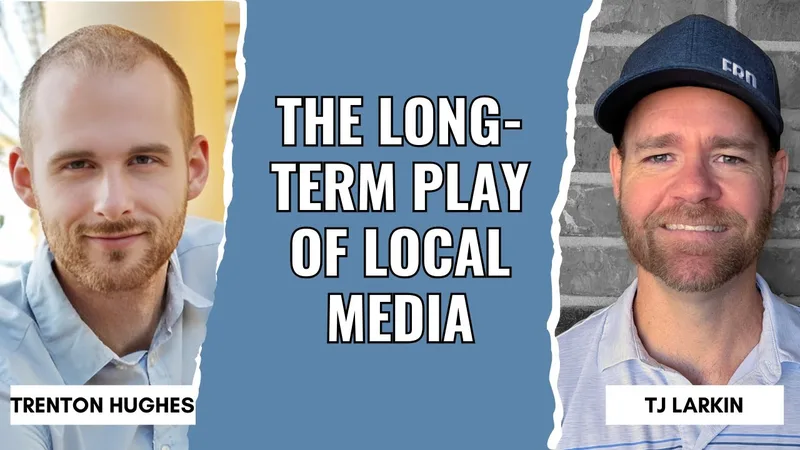
- It's a long-term play. Trenton built Wilmy Weekly to put down roots in Wilmington and get distribution he can do other things with. He says running a local newsletter on ad revenue alone is "going to be really tricky."
- Quality beats copycats. A few lookalike newsletters showed up after Wilmy Weekly launched, and Trenton believes some were AI-written from out of state. He's betting a real human in the city wins.
- Events make it a brand. Their first event, a $20 young-professionals mixer, had 10 tickets sold within minutes of going live. Hats, shirts and Instagram are part of the same push.
- Inbound beats cold outreach. Cold email, LinkedIn and Instagram outreach have brought lackluster results so far. The only good ad leads have come from people who found them.
Trenton Hughes moved to Wilmington, North Carolina a few years ago and wanted to be part of the community. So he and a partner started Wilmy Weekly, a fun, events-and-restaurants newsletter, and grew it to about 10,000 subscribers in six or seven months. We talked about why he calls it a long-term play, what's working and what isn't on the ad side, and why he'd tell most people not to start one just to sell ads.
Why he started it: community first
Trenton describes himself as a two-time entrepreneur who built and sold businesses and now sits more on the investment side. After moving to Wilmington he wanted to establish community here, so he started investing in and building local businesses. Wilmy Weekly was one of them.
His partner's background is in newsletters, and Trenton's is in building businesses and community. They wanted to fill their own need: what's happening this weekend, and which new restaurants opened. It reads as a fun, light newsletter more than a news product.
He's upfront that the money isn't the point. Making this a full-time job on ad revenue, he says, is going to be really tricky for most people. Their goal is to make something cool in the community that gives them distribution, so they can do other things with it.
The audience: a metro, not just a city
Wilmington itself is a bit bigger than the 150,000 I guessed, and the metro is closer to 400,000. People from the surrounding towns come into Wilmington for the main events, and the newsletter also covers beach towns like Wrightsville Beach and Carolina Beach. Their Facebook and Instagram ads target Wilmington and cities adjacent to it, not the whole county.
Copycats, AI and why a local human matters
Not long after Wilmy Weekly took off, a couple of people copied its copy and started their own newsletters. Trenton says the ones he's seen look written by AI. When he looked up the addresses behind them, they weren't even in the same state.
I don't think the people are even based in the city when we look at the addresses of where they are, in different cities, not even in the same state. So I think people are trying to do this from out of state, seeing if they can get AI to just generate newsletters and build audiences in those cities.
He wasn't worried, because the copycats included random items that made no sense for Wilmington. His bet is that the quality will win in the end.
Trenton does think AI will win in this model long term. It should cut costs and may get better at finding local events. For now he believes AI needs a human in the loop, and for local, that human has to be in the city. His point: if you only send out news, people see through it fast, and a brand people look forward to reading is something bigger than a newsletter.
The first event: a $20 mixer
When we recorded, the event hadn't happened yet. It was a mixer for young professionals at a brewery, $20 with one drink included, and they had sold 20-some tickets. They put it out on day one without knowing whether anyone would sign up, and about 10 people bought within minutes.
They've already heard some people want a mixer for older crowds, and they're thinking about something like a farmers market. The plan is to try different events and see what resonates. They also have hats and t-shirts coming, and a 30-days-of-30-businesses Instagram series that features one local business a day.
Why ad sales are slow
Trenton says they've had very lackluster success with outbound, which has meant cold email, LinkedIn outreach and, more recently, Instagram. The only good ad leads have come inbound, and there's still a lot of room to grow on advertisers.
The interest they do get is from the usual places: mortgage brokers, real estate and dentists. They've only run a few good ads so far. They're working on explaining ROI better and offering guarantees, and they're pushing three-month packages because one-time ads rarely work. For hot targets they've even talked about sending cookies to the office.
His plan is to build more inbound through events, merchandise and better Instagram content. When Wilmy Weekly gets active on Instagram, he says, that drives everything: more followers, more engagement, more newsletter subscribers, and more interest from local companies.
Ideas we traded for making money
I floated a trade: offer paid subscribers free tickets from venues that want bodies in the door. Trenton liked it, and said they've also thought about a paid tier with a Monday edition, since they only publish once a week. We also talked about charging $5 to $10 for event listings, and about selling a "featured event of the week" slot to one venue instead.
On the data side, every issue has a feedback survey at the bottom. New subscribers get a welcome question about their favorite restaurant and what they'd like to see. They also collect phone numbers and planned to text subscribers about their first event.
Helping business owners start their own
Trenton and his partner think the best fit for a local newsletter is a business owner who already has customers and a brand. They plan to offer these owners a monthly fee, based on a tier: one issue a week with ads and Instagram handled, two a week, or a top tier with local content creators. They wouldn't co-own anything. The owner would be the boots on the ground and the human in the loop.
His reasoning is that these owners can push readers to their own businesses and feature their own events. He also said that building something local gets investors and business owners to take notice, as long as you're giving to the community rather than being selfish about it.
The takeaway: set your expectations lower
On the Wilmy Weekly side, Trenton says people just need to set their expectations lower in the short term, though he still thinks the long-term reward is high. Despite 15,000 subscribers across the two of us, I told him I haven't been recognized once.
- 01Don't start just to sell ads
Outbound is hard and one-time ads rarely work.
- 02Be a real human in the city
Local readers see through generic or AI-written content.
- 03Run events and post on Instagram
They build the brand and bring advertisers to you.
- 04Think of it as optionality
The payoff may be partnerships, investors and ideas you can't predict yet.
Questions people ask
How big is Wilmy Weekly?
Does Wilmy Weekly make most of its money from ads?
Why does Trenton think local beats AI newsletters?
What is Tribe?
TJ is the founder of Local Media HQ. Every week he talks with local media operators about what is actually working in their towns.