
Instagram DMs and Chamber meetups filled his sales pipeline
John Apolinar of Scottsdale Scoop went from two or three sponsor conversations to about 15 using short Instagram DMs and Chamber events. He also shares his exclusivity and pricing plan.
 TJ LarkinHost, Local Media HQ PodcastMay 22, 2025 · 8 min read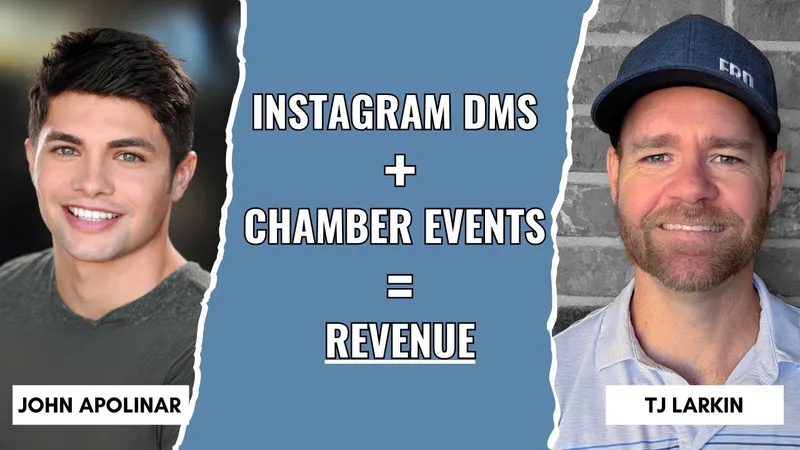
- Two habits filled his pipeline. John went from two or three sponsor conversations to juggling about 15, maybe more, by going to Chamber of Commerce events and sending Instagram DMs to law firms, med spas, plastic surgeons and luxury home builders.
- The DM is short and asks to collaborate. He sends 5 to 10 a day in about 10 minutes, says he runs the Scottsdale Scoop and has 5,000 locals who care, and never opens with "buy an ad."
- Talk to the marketing person, not the founder. A marketing director has a budget and already understands what exclusivity means, so John skips businesses where the owner still runs marketing.
- Start small, then go big on renewal. A starter package is three ads and a social post for about a grand. If traffic looks good, he pitches an annual exclusive package at $25,000 to $50,000.
John Apolinar runs Scottsdale Scoop, and when he first came on the show he was still figuring out sponsors. You can hear that conversation in his first 90 days. This time he had real momentum to report: he went from two or three conversations to juggling about 15. In this episode we get into how he's doing it, how he plans to price annual sponsorships, and why he skips founders and goes looking for the marketing person.
From two or three prospects to about 15
John says the pickup came mostly in the last couple of weeks. These are people who haven't signed yet, but he counts them as an active pipeline. Two things are driving it: Chamber of Commerce events and Instagram DMs.
He's going after high ticket businesses, the kind that already spend on marketing: lawyers, med spas, plastic surgeons and luxury home builders. A plastic surgeon had called him back about an hour before we recorded.
He also credits a confidence bump. Once he passed 5,000 subscribers, he says, he felt better about the newsletter and started pitching it with everything he had. I felt the same way when one of our newsletters crossed 10,000 two days earlier. Both numbers feel different when you say them to a business owner.
One short DM that reached a law firm
John changes the template depending on the business, but it's always short. He sends 5 to 10 a day to businesses he sees advertising, and it takes him about 10 minutes.
His example is a big law firm that is everywhere in Scottsdale. He had tried calling and cold emailing them with no luck. Then he reached the right person on Instagram with something close to this: "I love the creativity your marketing brings. Even my mom sings their songs because they make these crazy catchy songs about their law group. I run the Scottsdale Scoop. We feature fun events and local businesses around town. I have a dialed-in audience of 5,000 locals who actually care about what's happening in Scottsdale. Would love to collab or feature you if you're up for it."
I can say now I have a pretty good looking pipeline for the first time.
The ask is to collaborate, not to buy an ad. I'd heard other people recommend that word too. It works because you haven't earned the right to ask for money yet. John got the idea to DM people on Instagram from another guest on this show.
The replies tend to go one of two ways. Some people want to meet, and John asks for two or three days, then pops in to meet them in person. Others hand him to an office manager who handles marketing, along with a phone number or email. Both count as a win.
How he works a Chamber meetup
His Chamber holds an early morning meetup at 7 a.m. and an evening one around 5 p.m., usually one or two a month, sometimes more. John keeps it casual. He asks people what they do, and when they ask him back, he explains what he does without pitching.
He also brings a list of Chamber members he wants to work with and looks for them on purpose. He asks for a few minutes during the event, then finds them again before it ends and tells them why he wanted to talk: he thinks his audience would like what they do and he'd love to get them in front of it.
Last week he did exactly that with a luxury home builder. He had a meeting with them later that day, because he has ideas for real estate content and wants the builder to sponsor that section.
Exclusivity is the selling point
Here's a story from my side. A marketing consultant for a custom home builder told me she was intrigued when I said an annual sponsor would get exclusivity, meaning no other custom home builder could be in the newsletter. She said nobody else offers that.
It started as a limit on our end. We don't have room to run two home builders anyway. So we flipped it into a feature. John plans to use the same idea. At renewal he'd offer a one year exclusive, with a post every month, a social post or reel every month, and part of the money run through Facebook ads to bring the sponsor new eyeballs.
John says the idea of a guaranteed amount of new growth comes from his B2B newsletter sales. He'd tie it to money he controls, not subscriber counts he can't promise: about 10% of what the sponsor pays goes into growth each month.
Pitch the marketing person, not the founder
John has started qualifying businesses fast. If the owner still runs the marketing, he doesn't spend much time on them. He wants businesses with high ticket sales where someone else handles marketing, because that person knows what exclusivity means and why it matters.
I agreed, and added the money side. A founder hears "eight grand a year" as eight grand out of their own pocket. A marketing director has a budget, say $12,000 a month, and the job of finding the best places to spend it.
A small start and a big renewal
John isn't telling a custom home builder $25,000 on day one. He wants them to test first so he can show decent traffic. His starter package is three ads and a social post, about a grand. If it goes well, that's where he swings big on the renewal: he's thinking $25,000 to $50,000 for annual exclusivity, depending on how big the audience looks. He admits he doesn't know yet whether it will land.
I told him raising the price can make some buyers want it more, especially businesses with big marketing budgets. It's still scary if you're struggling to sell ads at all, so test first.
- 01Starter package
Three ads and a social post for about a grand, so the sponsor can test traffic
- 02Renewal
A one year exclusive with a monthly post and a monthly social post or reel
- 03Growth guarantee
About 10% of what they pay goes into Facebook ads to bring them new eyeballs
- 04Annual price
$25,000 to $50,000 depending on audience size, still untested
Med spas, tracking and pay per lead
Med spas are one of John's main targets, and they respond on Instagram. Every in-person meeting he's booked this way came from there. The catch is the sales cycle. They say they have no budget this month, or they have to wait until a three month contract ends, and John has to keep following up to get a date.
The other problem is tracking. The med spas he's talked to have no way to see where a customer came from, so a rev share on closed sales is hard. My answer was to charge per lead instead, maybe $10 for each form filled out. It's how insurance leads work: you pay for the lead, whether they pick up or not. Then the med spa can do the math on what a customer is worth.
A podcast, an intern and breaking news
John wants to launch a local business podcast by Q3. A guest would come on for free, he'd send it to his newsletter list, and he'd pitch them on ads afterward.
For social, he found an ASU intern through Handshake, a free job board for colleges. About 50 people applied and he picked the one with the best attitude. The pay is around $100 a week.
I also liked his meeting with someone from the city's economic development side. They'd likely know about big openings before the internet does, and AI can't scoop that. They offered intros and resources, and I told him to ask them to tip him off first.
Questions people ask
How many prospects did John Apolinar have in his pipeline?
What does his Instagram DM say?
How much does John plan to charge for an annual exclusive sponsorship?
Why does he pitch marketing people instead of founders?
TJ is the founder of Local Media HQ. Every week he talks with local media operators about what is actually working in their towns.