
A 17,000-Subscriber Beach Town Newsletter, and Why Kyle Scott Moved On
Kyle Scott sold Crossing Broad, built Walking the Boards in Ocean City, NJ, then rolled it into a regional network and started a B2B newsletter. Here is what he learned about where the money is.
 TJ LarkinHost, Local Media HQ PodcastMay 14, 2025 · 10 min read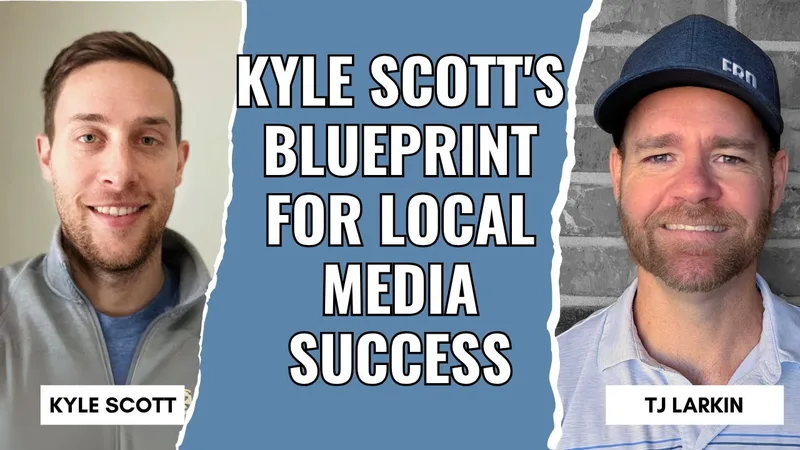
- Owning the list beat renting the audience. Kyle's last business lived on social traffic and Google, and one algorithm change could end it. Newsletters were his way out.
- One town of ads is a grind. Piecing together $500 to $2,500 deals with dozens of local advertisers eats your time. He rolled Walking the Boards into a regional network that sells to bigger advertisers.
- A business owner has the edge. If you already own a law firm, brokerage or agency, a weekly newsletter that is 90 to 95 percent real content builds trust, and a 10 percent lift is plenty.
- B2B can be cheap to grow. His new youth sports newsletter, Buying Sandlot, is adding targeted subscribers for $2 or less each and had sponsors asking before it was two months old.
Kyle Scott has been in local media for 15 years, and he has tried most of the business models there are. He sold ads, subscriptions and products, and he did affiliate deals. In this conversation he explains why he picked newsletters, what happened when he started one in his beach town, and why he decided one town was not enough.
He sold a media company that lived on borrowed traffic
From 2010 to 2020, Kyle built Crossing Broad, a Philadelphia sports site that started as a blog. Its audience came from social media, and a lot of the revenue came from Google traffic and affiliate links. When online gambling boomed, companies like DraftKings and FanDuel started spending heavily to reach sports fans, and he sold the business in 2020.
The lesson he took away was about control. In his words, "one algorithm change on either of those can disrupt a whole business." So he started looking for ways to own his audience, and newsletters were the answer.
Why Ocean City worked so well
Ocean City has about 10,000 to 12,000 year-round residents, and the population swells past 100,000 in summer. Kyle has been coming there his whole life and has a place there now. He saw almost no local media: one weekly newspaper, and the Atlantic City Press, which was not covering the town closely.
Real estate near the ocean is worth many billions, and nobody was reporting on it. He also noticed that people love their vacation towns the way they love their colleges. They buy the gear and wear it all winter.
So he ran Facebook ads. The traction was immediate, and within a few months a stranger recognized him from his tiny photo in the newsletter. Two years later, Walking the Boards has more than 17,000 subscribers and open rates over 50 percent. He would have to check the exact numbers, but he estimates over 80 percent came from Facebook ads, with organic sharing showing up once he passed 3,000 to 5,000.
He tried other things too. A banner plane flying up the beach for 40 minutes brought maybe 12 to 20 subscribers for a $600 ad, so Facebook won. A realtor partner also put QR code magnets in seasonal rental welcome packages, which brought a trickle.
Three ways out of the one-town trap
Kyle looked at where the money would come from and did not love the odds. Becoming the town celebrity, like Ryan Stannard in Annapolis, takes a lot of nights and weekends. He is 41 with two kids, and he did that kind of grind in his twenties. He tried spinning off a real estate newsletter, which gained readers fast, but it was hard to write and he could not find a writer who knew business, wrote well and lived close to a town that empties out for half the year.
Then, last summer, someone building a local media company bought the other Ocean City website, which had a full-time reporter. They asked Kyle to roll Walking the Boards into their company and use it as the model for a dozen other sites in the Philly and South Jersey area. He invested and is now a minority owner and board member.
He spent six or seven months working there day to day, teaching the team how to set up newsletters and bringing on a writer. They now have six or seven newsletters and expect to reach up to 12. Together the newsletters reach a range of 50,000 to 70,000 subscribers, and some of the older sites get around 100,000 visitors a month.
Bundling the audience changes who you can sell to. One advertiser the company has worked with is Parx Casino, which he describes as the type of advertiser you see on local TV, with five and six figure ad budgets.
Why selling to local mom and pops is so much work
Kyle is clear that a single-town newsletter funded only by ads is not impossible, just hard. If you find a realtor, broker or lawyer who will spend tens of thousands a year with you, two or three of them can add up to a solid income. More often you end up piecing together $500 to $2,500 ad deals with dozens of advertisers, and managing them is the real cost.
He lived this early in his sports site, when he had $800 advertisers and hosted a trivia night twice a month at a bar because advertisers wanted to see people in the seats. His goal now is the 80/20 rule: 20 percent of your time on sales should produce 80 percent of the revenue. In hyper-local media, he says, you often get the reverse.
He is also fine with the hobby route. A weekly newsletter takes three or four hours, costs little, and can make you the most popular person in town. It just is not the same as a business.
- 01Stay hyper-local
Be the town's go-to voice. High influence, but lots of nights, weekends and sales calls.
- 02Run a business next to it
Use the newsletter as marketing for a law firm, brokerage or agency. Low overhead.
- 03Join or build a network
Bundle audiences and sell to bigger advertisers. More structure, more upside.
Why a business owner may be the best publisher
Kyle thinks a local business owner has an advantage, because you already have your product and you do not need the newsletter to be your whole income. If it brings you a 10 percent lift, he says, "it's just good marketing dollars for you."
It works best for businesses people only need once in a while: accountants, mortgage brokers, lawyers, insurance agents. When someone finally needs one, they go with the name they trust. The warning is to resist being promotional. If every email leads with "need a mortgage?", readers see spam. Aim to be 90 to 95 percent content, and treat the newsletter list as different from your old customer email list. Mixing them in marketing messages works for about three months and then kills long-term value.
TJ added the renting versus owning point: ads on Facebook, Google or billboards are rent. A newsletter is like owning the house.
Your list opens doors for partnerships
TJ's example, from his insurance days: an insurance agent can win over a mortgage broker by offering free newsletter advertising in exchange for referrals. Nobody spends money, and you stand apart from every other agent in town.
Kyle's own story came from the sign-up survey, which asks age, gender, favorite thing to do in town and which part of the island people live in. Last summer someone who works with the mayor emailed him, and the mayor wanted to meet. Kyle had about 15,000 subscribers at the time. In a town where only 30 to 40 percent of residents vote, he figured roughly half the voters were on his list, and his survey areas loosely matched the voting wards. He saw eyeballs get wide when he told them.
They wanted help getting a message out. It never went anywhere, because Kyle felt it would have been a large ethical breach.
Moving to B2B with Buying Sandlot
Kyle found that writing the local newsletter every day became a grind, and he wanted a business-to-business niche. He picked youth sports, which he describes as a 50 to 70 billion dollar market depending on the estimate. Private equity money and pro sports owners are buying up local rec leagues and baseball facilities, and he found no beat writer covering it day to day. That became Buying Sandlot.
His worry was that Facebook ads would bring parents and volunteer coaches, not people in the business. He hired a newsletter growth specialist, who told him to trust the Facebook algorithm. Then they were getting subscribers for $2 or less, with about 3,500 in under two months. The first 1,200 to 1,500 were all paid. A survey of new subscribers confirmed real industry people, including a basketball facility owner in Iowa and people from Nike, Dick's Sporting Goods and Ripken Baseball.
Most content is free. He sees three ways to earn: B2B sponsors, who were already coming to him, premium reports built from his facility owner survey, and events. His goal for a year out is a business of youth sports conference with more than a thousand attendees, with the newsletter as its marketing.
AI helps him research, not write
Kyle keeps ChatGPT open while writing, the way he used to keep Google open. He uses it to check facts, spelling and to ask what he missed after outlining three bullets. He does not paste its text into the newsletter, other than maybe rewording event descriptions.
I never copy anything as text and put it in the newsletter. I think you just kill your value.
He also sees a lot of Beehiiv boost requests, and says about eight in ten look like no human has ever read them. Quality is the single most important thing. You do not need to be a journalist, but you need to keep people's attention, because influence and business models only follow attention. He is also bullish on events and communities as the part AI cannot copy, and points to Michael Kauffman's Local Newsletter Club as a good example.
Questions people ask
Who is Kyle Scott?
How did Walking the Boards reach 17,000 subscribers?
Why did Kyle roll Walking the Boards into a regional company?
How is Buying Sandlot growing?
TJ is the founder of Local Media HQ. Every week he talks with local media operators about what is actually working in their towns.