
Negative CAC? Yeah, That’s a Thing
Beehiiv’s inside man breaks down his sponsor-first play
 TJ LarkinFounder, Local Media HQSent
Hi newsletter operators!
Sorry it’s been a bit, was sick last week. But got a bunch a great episodes recording this week. Make sure you’re following the youtube, or checking these newsletters. I’ll send one out for each.
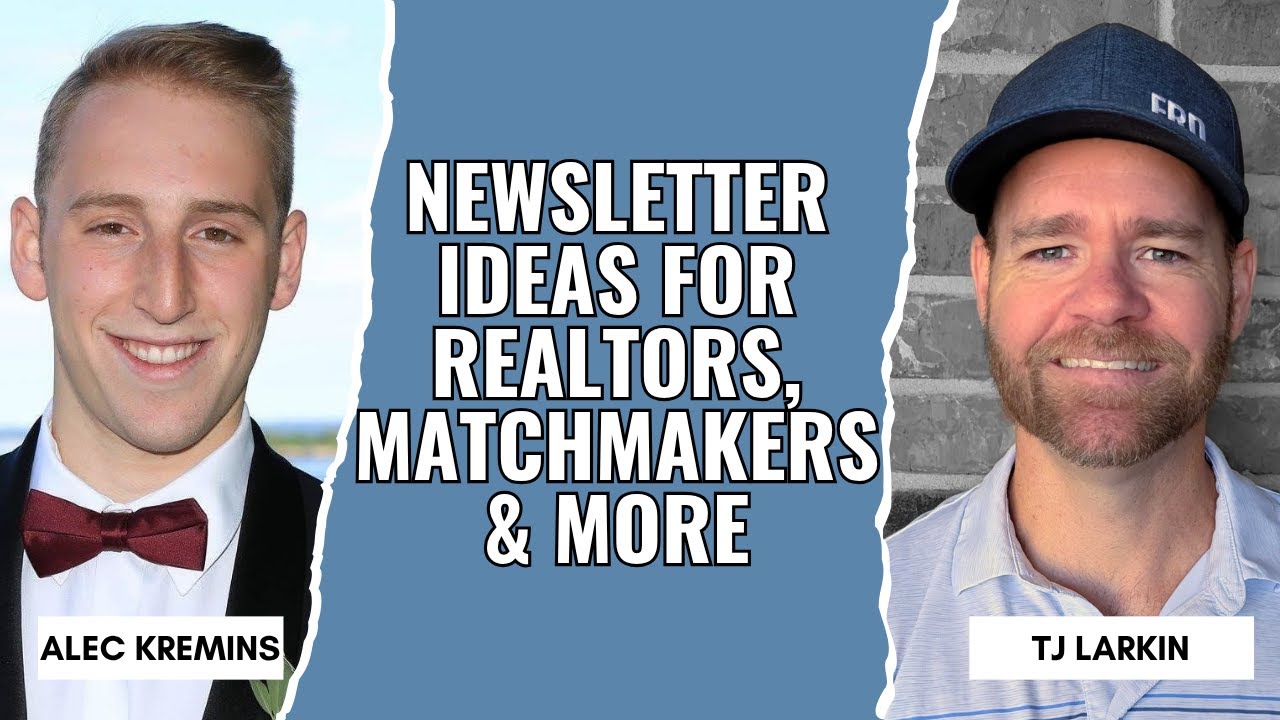
Today’s episode is with Alec Kremins—Beehiiv’s Partnerships Manager and the guy behind Jerusalem’s JLM Scoop. We unpacked how he started his newsletter very quickly after moving to Jerusalem, got his list to 6k subs, and his ideas on ways to leverage the newsletter in the future.
Let’s dive in!
Podcast spotlight
Alec Kremins - JLM Scoop (and Beehiiv partnership manager)
Sponsors First, Facebook Ads Later (Cash Beats Vanity)
According to Alec, chasing subscriber counts on Zuckerberg’s dime is a trap. He has paused paid ads and focused on one whale sponsor—an upscale real-estate firm paying $700/mo—plus a $400 secondary slot. That local newsletter monetization covers writer costs and funds fresh leads.
But he doesn’t want to keep pumping more money into ads until he knows he can monetize it and make it profitable.
“I’m not pumping more money into ads until the newsletter pays for them,” Alec explained.
Do this next:
- Audit your list for obvious category fits (realtors, med spas, builders).
- Pitch exclusivity at a premium—fewer ads, higher impact.
- Use that cash to relaunch ads when ROI is guaranteed.
Turning New Subscribers Into a Negative CAC
We discussed how the potential for a negative CAC local newsletter is there but due to the difficulty of each step in the process, it hasn’t really been tried yet in our space.
Here’s the concept of how it can work:
- Capture intent at signup
- Add 8-10 quick questions (“Looking to buy a home?” “Interested in med-spa deals?”).
- Each answer assigns a tag that identifies high-value interests.
- Drop tagged readers into a single-email automation
- The email delivers one tightly aligned partner offer (e.g., free home-valuation guide, 60% off first facial).
- Charge partners per qualified lead
- Flat fee example: $10 for every reader who opts in via the offer link.
- Partners get trackable leads; we get cash up front.
- No risk of dishonesty of whether client bought the product or not
- Math check
- 200 new subs this week × 5% opt-in × $10 = $100 lead revenue.
- If Facebook spend was $80 for those 200 subs, acquisition is already profitable (negative CAC).
- Scale by iteration
- Add more intent tags, test new partner categories, raise the lead price as case studies accumulate.
Newsletter-Driven Matchmaking Experiment
We also explored a community-first dating angle that could live beside the usual events and sponsor slots.
Core concept:
- Profile spotlight – Feature a brief, photo-optional intro for a local single (most likely would only feature men).
- Private interest form – Readers click a Typeform or Google Form to express interest; emails stay hidden.
- Curated handoff – The newsletter team screens responses and forwards matches to the featured single.
Why it could click:
- Demographic fit – Readers skew ~70 % women, 35+ with disposable income—an audience who generally does not want to use dating apps
- Built-in virality – Successful matches become feel-good content (“Scoop Couple #1 got engaged!”).
- Revenue options – Listing fees, sponsored speed-dating events, or traditional matchmaking commissions (Alec noted that in his community $1 K per match isn’t unusual).
Key safeguards we discussed: keep personal details offline, vet submissions, and run a clear code of conduct. If the pilot lands, the format can expand to “Bachelor/Bachelorette of the Week,” themed mixers, or even a dedicated sub-newsletter. Lots of potential with this one!
Great reads
Meta Working to Automate Ad Creation with AI
There are a lot of people building AI ad image/video creators right now. And thankfully so, because that’s very difficult process I’d love help with. But interesting to see that Meta thinks AI will be so good next year, you’ll literally just describe what you want and it’ll do everything. Crazy times ahead. Read it here.
Build a Media Brand, not a Newsletter Brand
Matt McGarry with another killer piece. As usual, not directly written for local newsletters, but almost of all of this applies in some way. And the title here is correct. DO NOT just build a local newsletter, build a local media brand. Read it here.